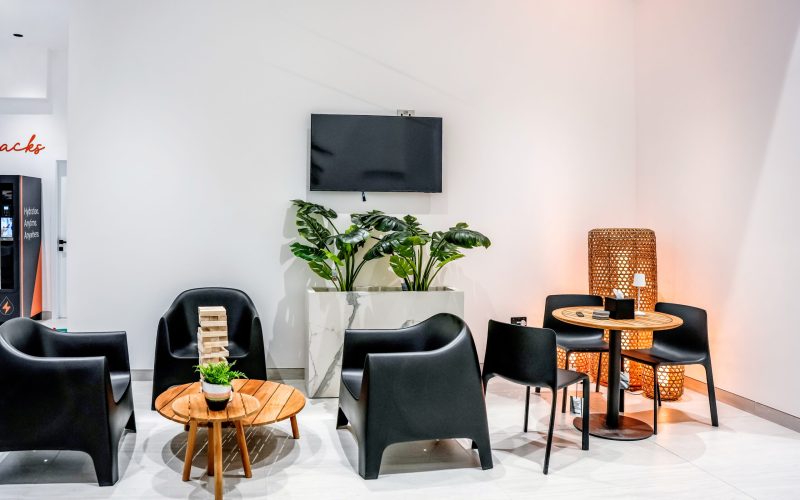
Interior fitout projects in Dubai and the UAE are governed by strict regulatory standards designed to ensure safety, functionality, and long term performance of built spaces. While these regulations are essential, the approval process can feel complex for clients who are unfamiliar with local requirements. Many fitout delays and budget overruns are not caused by construction issues, but by challenges during the approval stage.Understanding common approval challenges and how experienced professionals manage them helps clients approach interior fitout projects with greater confidence and clarity.
Unclear Understanding of Approval Requirements
One of the most common challenges clients face is not fully understanding which approvals are required for their specific project. Approval needs vary depending on the type of space, location, building authority, and scope of work. An office fitout, for example, may require different submissions compared to a retail or restaurant project. Professionals address this challenge by assessing the project scope early and identifying all applicable authorities from the outset. This proactive approach avoids missed submissions and ensures that no critical approval is overlooked during planning.
Incomplete or Incorrect Documentation
Approval delays often occur when submitted drawings or documents do not meet authority standards. Missing details, inconsistent layouts, or lack of technical clarity can result in rejection or multiple revision cycles. Each resubmission adds time and can affect the overall project schedule. Experienced interior fitout teams prepare detailed and coordinated documentation before submission. Drawings are reviewed internally to ensure alignment between design intent, technical systems, and regulatory guidelines. This reduces the risk of rejection and helps authorities review proposals efficiently.
Design Changes After Submission
Late design changes are another frequent challenge in interior fitout approvals. Modifications to layouts, materials, or services after submission often require resubmission and additional review. This can significantly delay approvals, especially for commercial projects with fixed opening timelines. Professionals minimize this risk by finalizing key design decisions before initiating the approval process. Clients are guided through design reviews to ensure clarity and confidence before submissions are made. This disciplined approach helps maintain momentum and avoids unnecessary revisions.
Coordination Between Multiple Authorities
Interior fitout projects in Dubai often require coordination between several authorities, each focusing on different compliance aspects. A change requested by one authority can sometimes affect requirements set by another. Without proper coordination, this can lead to conflicting revisions. Skilled fitout professionals manage this complexity through integrated planning. Design teams coordinate technical systems and layouts holistically so that updates align across all submissions. Clear communication with authorities helps resolve feedback efficiently without disrupting progress.
Misalignment Between Design and Site Conditions
Another challenge arises when site conditions differ from available drawings or assumptions. Differences in existing services, structural elements, or ceiling heights can affect compliance and require design adjustments during the approval stage.Professionals mitigate this risk by conducting detailed site assessments early in the project. Accurate site information allows designs to be developed realistically, reducing surprises during approval reviews. When issues do arise, experienced teams respond quickly with revised solutions that remain compliant.
Underestimating Approval Timelines
Clients sometimes underestimate how long authority approvals can take, especially for complex interior fitout projects. Approval timelines vary based on submission quality, project type, and authority workload. Unrealistic scheduling can create pressure and affect execution planning.Professionals manage expectations by integrating approval timelines into the overall project schedule. Instead of treating approvals as a formality, they are planned as a structured phase of the project. This realistic approach helps clients plan business operations more effectively.
Lack of Technical Compliance Knowledge
Interior fitout approvals require detailed understanding of fire safety, electrical systems, mechanical services, and accessibility standards. Without technical expertise, submissions may fail to meet compliance requirements even if the design appears visually appealing.Experienced fitout teams bring strong technical knowledge to the approval process. Designers and engineers collaborate closely to ensure that aesthetic decisions align with safety and performance regulations. This balance between design and compliance is essential for successful approvals.
Communication Gaps During the Approval Process
Poor communication between clients, designers, and authorities can slow down the approval process. Delayed responses to authority comments or unclear decision making can extend review cycles unnecessarily.Professionals handle this challenge through structured communication. Clear points of contact, regular updates, and prompt responses ensure that feedback is addressed efficiently. This organized flow of information keeps the approval process moving without disruption.
How Professionals Add Value to the Approval Process
Professional handling of interior fitout approvals adds value beyond administrative coordination. It reduces risk, saves time, and protects project quality. By anticipating challenges and addressing them early, experienced teams prevent issues from escalating during construction.Clients benefit from having approvals managed by professionals who understand both regulatory expectations and practical execution. This integrated approach ensures that approved designs translate smoothly into built reality.
Why Professional Approval Management Matters
Authority approvals are not just administrative steps. They are safeguards that ensure spaces are safe, compliant, and fit for long term use. When handled professionally, approvals become a controlled and predictable part of the interior fitout process.Spacesmith’s approach to approvals focuses on preparation, coordination, and transparency. By anticipating challenges and addressing them early, the team helps clients avoid disruptions and move confidently into execution.Approval challenges are a natural part of interior fitout projects in Dubai, but they do not have to be obstacles. With proper planning, technical expertise, and structured coordination, these challenges can be managed efficiently.By integrating approvals into the broader project strategy, Spacesmith ensures that design intent, compliance, and execution move forward together. This approach not only supports timely project delivery but also builds confidence, clarity, and long term value for every interior fitout project.